I would like this message of optimism to reach as many people as possible, therefore here’s the English version. I hope you enjoy it!
Tempo di lettura: 5 minuti
Premesse un po’ meh
Spesso si sente dire che il futuro è nelle mani di noi giovani: possediamo infatti la grinta e l’ardore di cambiare ciò che non ci va bene, e abbiamo il vantaggio di non essere ancora intorpiditi dall’abitudine e dai compromessi. Eppure il nostro entusiasmo è una merce piuttosto fragile, sulla quale negli ultimi due anni si è abbattuta una pioggia incessante di incertezza e cattive notizie: il cambiamento climatico, la pandemia, episodi di razzismo e violenza, e a chiudere il cerchio le immagini strazianti di una guerra a cui non avremmo mai pensato di dover assistere. Se queste sono le premesse per il nostro futuro, sentirsi impotenti e scoraggiati è molto facile. Ma il futuro è davvero così tetro come sembra? Ecco alcuni motivi per cui forse ciò che ci attende non è così male!
1. Sistemeremo il cambiamento climatico

La storia ci insegna che la verità può essere nascosta sotto un tappeto per molto tempo, ma poi salta sempre fuori. Negli ultimi anni è stato il turno dell’impatto dell’uomo sull’ambiente, che per decenni abbiamo cercato di negare, poi di ignorare, infine di minimizzare: ora, finalmente, ci siamo liberati del tappeto e ci siamo decisi ad agire. Certo, i tentativi di sviare l’attenzione tramite greenwashing, false promesse, giustificazioni e lobbying possono ostacolare il percorso verso la sostenibilità, e molto probabilmente diversi danni sono irreparabili: ma non riusciranno a invertire la rotta a favore di vento che abbiamo intrapreso.
2. Un viaggio nel tempo sul James Webb Telescope
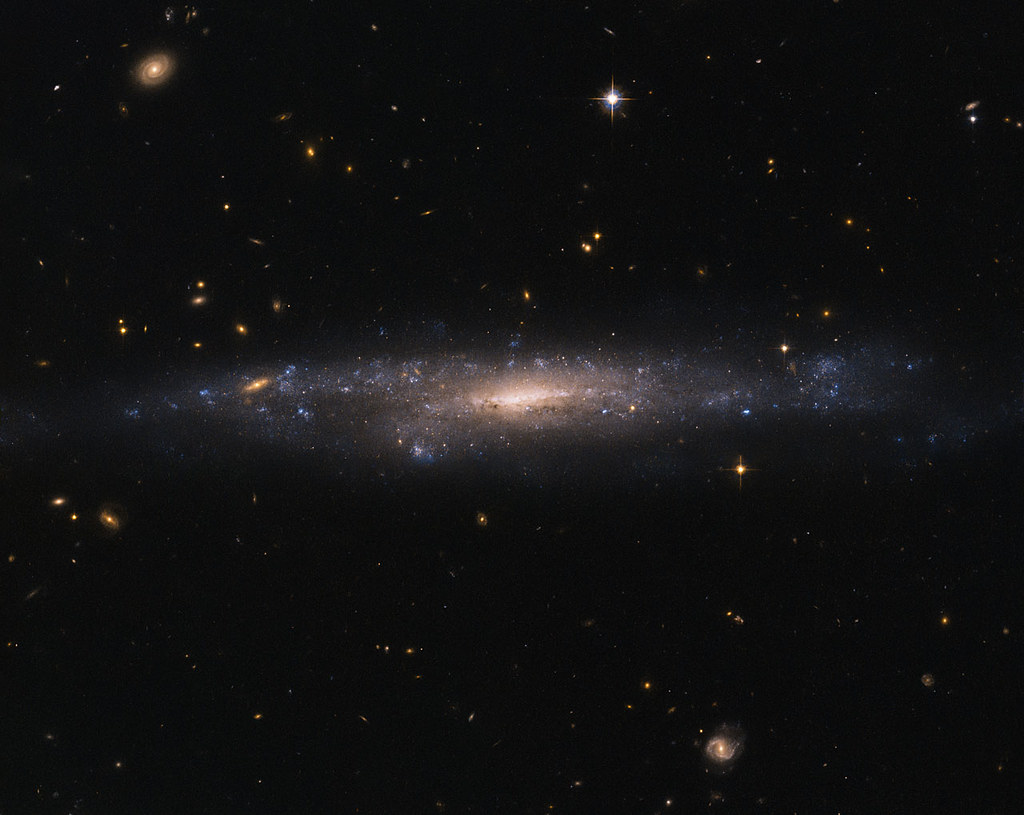
Questa immagine è soltanto una delle innumerevoli meraviglie che il telescopio Hubble ci ha regalato nel corso degli anni, permettendoci nel frattempo di ottenere risultati scientifici eccezionali come la stima dell’età dell’universo. Ora, dopo 25 interminabili anni di lavoro, il nuovissimo James Webb Telescope è stato finalmente lanciato nello spazio, con l’obiettivo di proseguire e ampliare il lavoro del suo glorioso predecessore. Negli ultimi mesi le delicatissime operazioni di messa a punto si sono susseguite con successo: grande come un campo da tennis, lo scudo termico che proteggerà il telescopio dal calore del sole si è dispiegato; i 18 esagoni di berillio rivestiti d’oro che formano le specchio principale si sono allineati; diversi strumenti, che operano oltre i 200 gradi sotto zero, stanno raggiungendo la temperatura ottimale. Insomma, il James Webb Telescope è quasi pronto a inaugurare una nuova era per l’espansione della conoscenza umana, arrivando a osservare i primi “oggetti” che si formarono quando l’universo si raffreddò dopo il Big Bang: un viaggio di oltre 13 miliardi di anni che ci ricorderà, inoltre, come tutto si ridimensiona in una prospettiva cosmica.
3. Sulla scala degli attosecondi
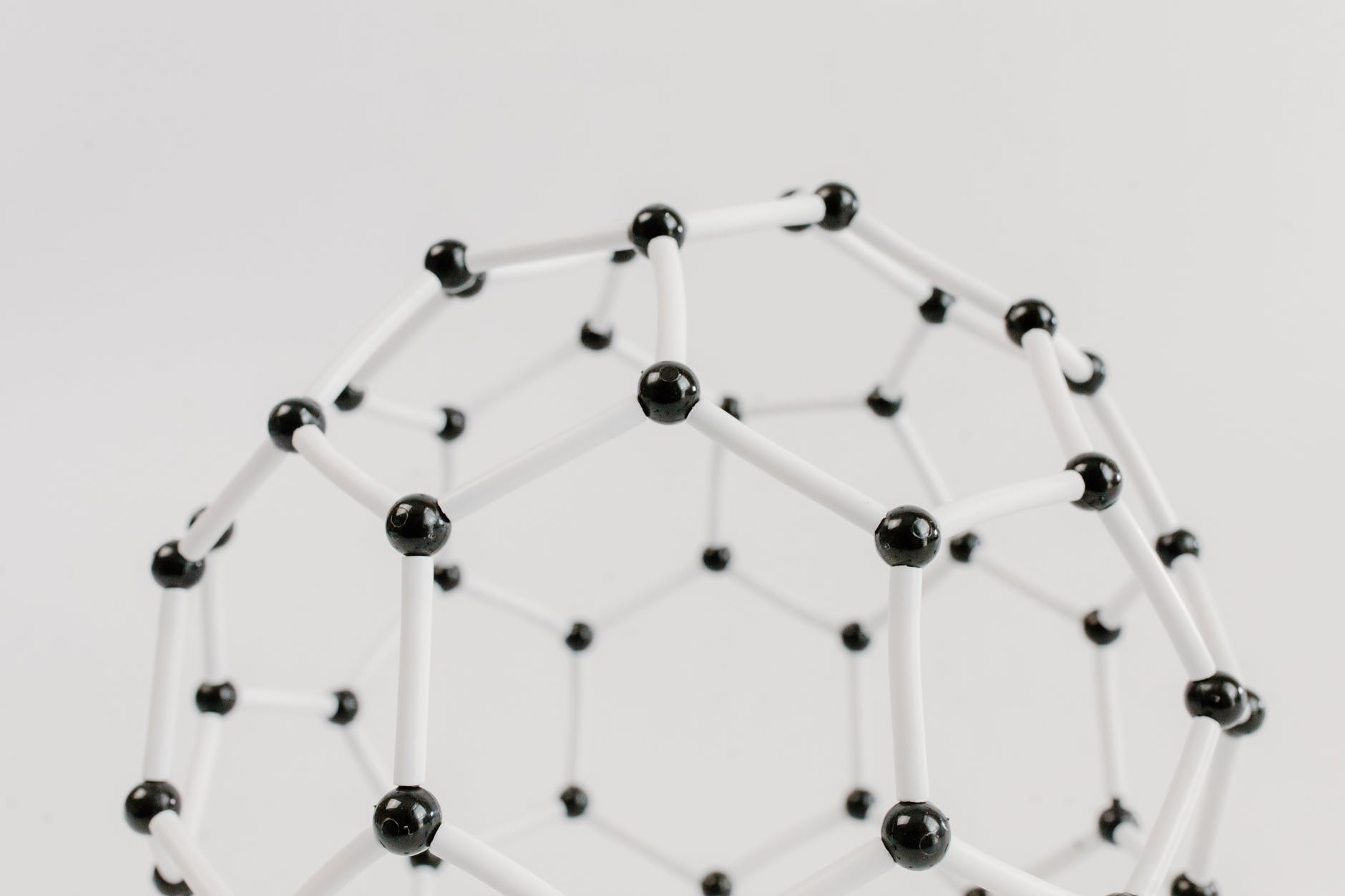
Facciamo un balzo dall’età dell’universo a qualcosa di molto veloce: ad esempio i 9″80 con cui Marcell Jacobs ha vinto i 100 metri alle olimpiadi di Tokyo. Ora pensiamo a qualcosa di moolto più veloce: un battito di ciglia dura circa 0.1 secondi. Adesso pensiamo a qualcosa di moooolto più veloce: lo spostamento di una molecola avviene sulla scala degli attosecondi, vale a dire un miliardesimo di miliardesimo di secondo! Per darci un’idea, un attosecondo sta a un secondo come un secondo sta all’età dell’universo. Una durata che sfida davvero la nostra immaginazione, eppure oggi siamo in grado di osservare fenomeni che avvengono proprio su questa scala temporale. Ciò è possibile grazie all’evento artificiale più veloce mai creato dall’uomo, ovvero gli impulsi laser ultrabrevi: essi ci permettono di studiare il moto delle molecole durante le reazioni chimiche, gli spostamenti della carica elettronica da un atomo all’altro, la trasmissione dei segnali elettrici nel nostro organismo. Si tratta dunque di una tecnologia che ci aiuterà a comprendere meccanismi alla base della Natura e del nostro stesso organismo, aprendo così un ventaglio enorme di possibilità per la fisica, la chimica e le scienze della vita.
4. Salute!

Negli ultimi anni biologia e medicina hanno visto una rapida espansione, che la pandemia ha reso ancora più urgente. Farmaci sempre più mirati consentono oggi di curare, o perlomeno controllare, diverse malattie che un tempo erano mortali; dispositivi miniaturizzati e interventi meticolosi correggono facilmente numerosi difetti, legati per esempio all’udito e alla vista; protesi e interfacce uomo-macchina sempre più efficienti permettono anche a chi ha subito amputazioni o gravi incidenti di condurre un’esistenza serena. Sperando di aver imparato abbastanza da rendere il Covid l’ultima pandemia, la salute avrà sicuramente un ruolo di primo piano nel futuro.
5. Al resto ci penseranno loro
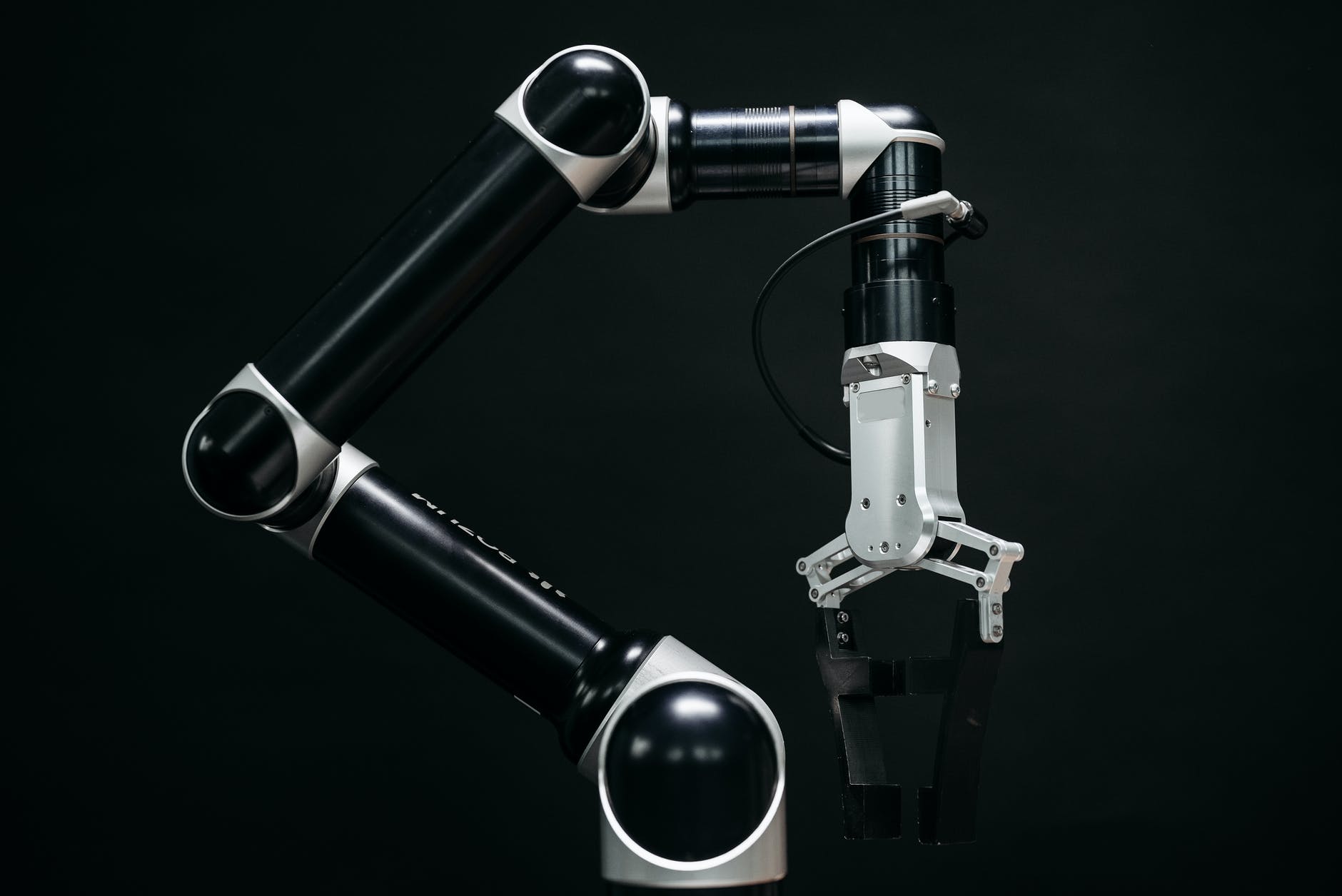
È vero che i robot “ruberanno” il lavoro: tuttavia, almeno nel prossimo futuro, essi si occuperanno principalmente di quei mestieri usuranti, ripetitivi e rischiosi che ben pochi farebbero se non dovessero guadagnarsi da vivere. Tralasciando le nuove possibilità che l’avvento della robotica sta portando e porterà per anni con sé, proviamo a guardare ancora più in là nel tempo: con i robot a fare “il lavoro sporco” al posto nostro, la società del futuro potrebbe essere caratterizzata da abbondanza e benessere tali da rendere il lavoro non più necessario, al punto che chiunque sarà libero di scegliere che cosa fare del proprio tempo e della propria vita, e dove cercarne un significato, senza il vincolo opprimente di doversi adattare per arrivare a fine mese. Inoltre, proprio come un frullatore ci risparmia la fatica di pestare la frutta, i robot si faranno carico di diverse attività che oggi siamo costretti a fare nostro malgrado. Ad esempio, presto le auto a guida autonoma potrebbero finalmente liberarci da inutili ore di traffico sotto il sole o dalla asfissiante ricerca di un parcheggio libero, riducendo inoltre drasticamente il numero di incidenti e senza escludere a chi è appassionato di motori di dedicarsi al proprio hobby: proprio come le prime automobili sostituirono i cavalli come mezzo di trasporto, pur senza impedire agli appassionati di equitazione di montare a cavallo. Una prospettiva che, trasferita in altri settori, sembra piuttosto incoraggiante!
Conclusione
Pensando a cosa sta succedendo nel mondo è facile cadere in un atteggiamento disfattista, ma il trend su cui ci stiamo muovendo è, a discapito di qualche (enorme) passo falso, positivo. Infatti gli elementi che possono farci guardare avanti con ottimismo ci sono, ed è compito nostro cercarli senza lasciarci trasportare dalle emozioni e dalle notizie negative. E dato che la maggior parte delle news sono create apposta per suscitare tali emozioni, chiudo questo articolo consigliandoti di visitare il sito https://www.buonenotizie.it/: per una boccata di aria fresca (senza pubblicità) e perché, com’è noto, l’ottimismo è contagioso. A presto!
Note
L’ispirazione per questo articolo è l’intervista a Elon Musk organizzata da TED: Elon Musk: A future worth getting excited about. Per i 5 paragrafi, invece, ho preso spunto da diverse fonti, di cui elenco le principali:
- How to Avoid a Climate Disaster – Bill Gates; We Will Fix Climate Change – In a Nutshell
- James Webb Space Telescope – NASA
- Laser ad Attosecondi- Dipartimento di Fisica, Politecnico di Milano
- Homo Deus: Breve Storia del Futuro, 21 Lezioni per il XXI Secolo – Yuval Noah Harari;
- Life 3.0 – Max Tegmark; Homo Deus: Breve Storia del Futuro – Yuval Noah Harari.
A Future to Get Excited About
Looking around, the future that awaits us doesn’t seem very promising. Yet, peeking from here, we will discover that we can be really optimistic!
Reading time: 5 minutes
Somewhat negative premises
We ofter hear it said that the future is in the hands of us young people: in fact, we have the grit and the ardor to change what is not right for us, and we have the advantage of not being numbed by habit and compromises. However, our enthusiasm is a rather fragile commodity, on which over the last two years an incessant rain of uncertainty and bad news has fallen: climate change, the pandemic, episodes of racism and violence, and to close the circle the harrowing images of a war we never thought we would have to witness. If these are the premises for our future, feeling helpless and discouraged is very easy. But is the future really as bleak as it seems? Here are some reasons why perhaps what awaits us isn’t so bad!
1. We will fix climate change
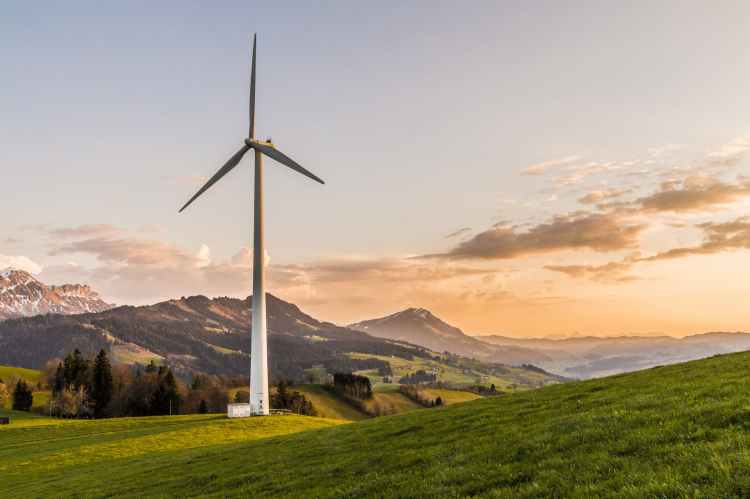
History teaches us that the truth can be hidden under the carpet for a long time, but finally it always comes out. In recent years it has been the turn of man’s impact on the environment, which for decades we have tried to deny, then to ignore, eventually to minimize: now, finally, we have got rid of the carpet and we have decided to act. Certainly, attempts to divert attention through greenwashing, false promises, justifications and lobbying can hinder the path to sustainability, and most likely several damages are irreparable: but they will not be able to reverse the course in favor of the wind that we have undertaken.
2. A time travel on the James Webb Telescope

This image is just one of the countless wonders that the Hubble telescope has given us over the years, allowing us in the meantime to obtain exceptional scientific results such as estimating the age of the universe. Now, after 25 interminable years of work, the brand new James Webb Telescope has finally been launched into space, with the aim of continuing and expanding the work of its glorious predecessor. In the last few months, the very delicate set-up operations have followed one another successfully: the tennis court-size heat shield that will protect the telescope from the heat of the sun has unfolded; the 18 gold-coated beryllium hexagons that form the main mirror are aligned; several instruments, operating below -200 °C, are reaching the optimal temperature. In short, the James Webb Telescope is almost ready to usher in a new era for the expansion of human knowledge, by observing the first “objects” that formed when the universe cooled after the Big Bang: a journey of over 13 billion years that will remind us, moreover, how everything is re-dimensioned in a cosmic perspective.
3. On the attosecond scale
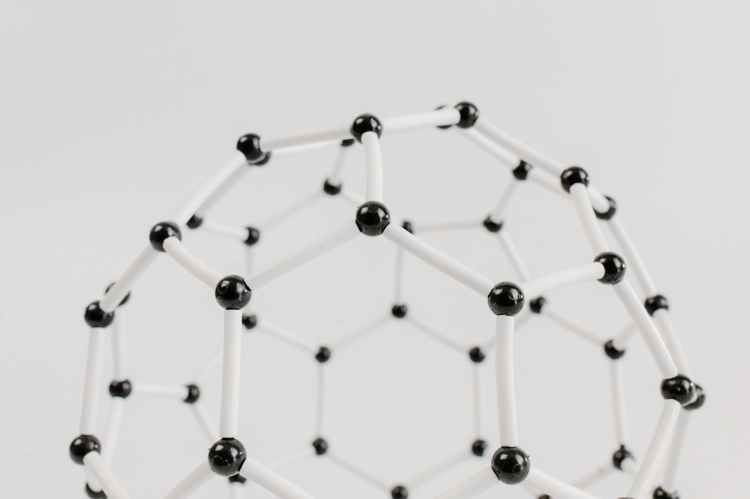
Let’s jump from the age of the universe to something very fast: for example the 9 “80 with which Marcell Jacobs won the 100 meters at the Tokyo Olympics. Now let’s think about something much faster: a blink of an eye lasts about 0.1 seconds. Now let’s think about something very much faster: the displacement of a molecule occurs on the attosecond scale, that is to say one billionth of a billionth of a second! To give us an idea, an attosecond is to a second as a second is to the age of the universe. A duration that truly challenges our imagination, yet today we are able to observe phenomena that occur precisely on this time scale. This is possible thanks to the fastest artificial event ever created by man, namely the ultra-short laser pulses: they allow us to study the motion of molecules during chemical reactions, the movements of the electronic charge from one atom to another, the transmission of electrical signals in our organism. It is therefore a technology that will help us understand the underlying mechanisms of Nature and our own organism, thus opening up an enormous range of possibilities for physics, chemistry and life sciences.
4. Bless you!
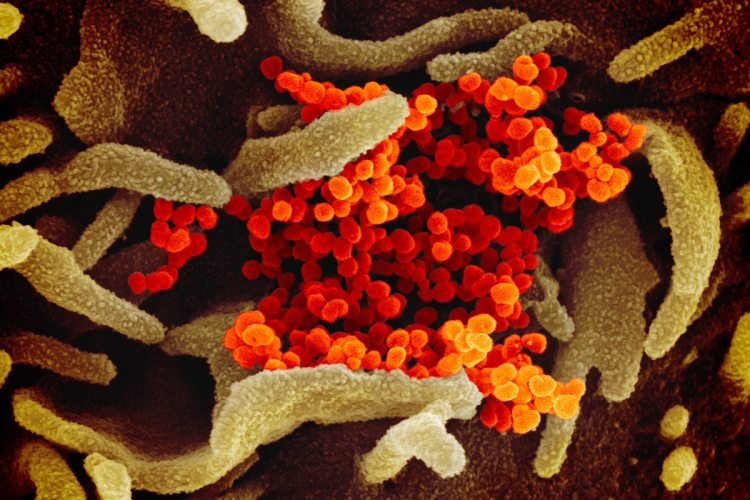
In recent years biology and medicine have seen a rapid expansion, which the pandemic has made even more urgent. More and more targeted drugs now make it possible to cure, or at least control, various diseases that were once deadly; miniaturized devices and meticulous interventions easily correct numerous defects, for example related to hearing and sight; increasingly efficient prostheses and man-machine interfaces allow even those who have suffered amputations or serious accidents to lead a peaceful existence. In the hope that we learned enough to make Covid the last pandemic, health will certainly play a major role in the future.
5. They will take care of the rest
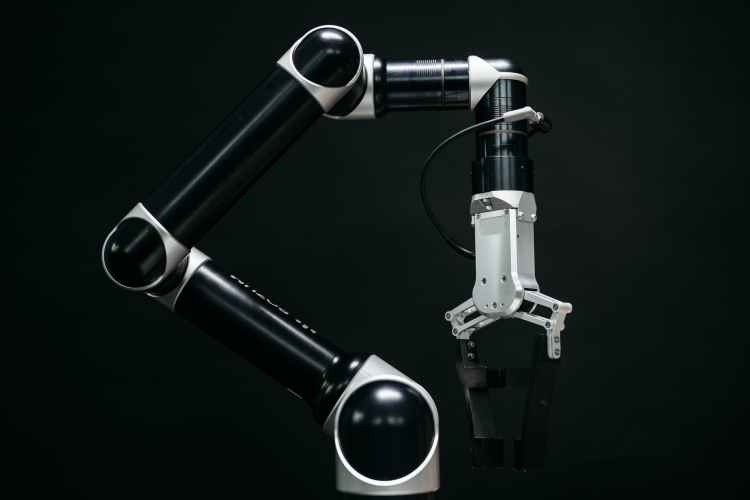
It is true that robots will “steal” jobs: however, at least in the near future, they will mainly deal with those tiring, repetitive and risky jobs that very few people would do if they did not have to earn a living. Leaving aside the new possibilities that the advent of robotics is bringing and will bring for years, let’s try to look even further in time: with robots doing “the dirty work” for us, the society of the future could be characterized from abundance and well-being such as to make work no longer necessary, to the point that anyone will be free to choose what to do with their time and their life, and where to look for a meaning, without the overwhelming constraint of having to adapt to get to the end of the month . Furthermore, just as a blender saves us the trouble of blending fruit, robots will take care of various activities that today we are forced to do in spite of ourselves. For example, soon self-driving cars could finally free us from useless hours of traffic under the sun or from the suffocating search for a free parking space, also drastically reducing the number of accidents and without excluding motor enthusiasts from pursuing their hobby: just as the first automobiles replaced horses as a means of transport, without preventing horse-riding enthusiasts from riding. A prospect that, transferred to other sectors, seems rather encouraging!
Conclusion
If we think to what is happening in the world it is easy to fall into a defeatist attitude, but the trend we are moving on is, despite some (huge) false steps, positive. In fact, the elements that can make us look forward with optimism are there, and it is our job to look for them without letting ourselves be carried away by emotions and negative news. And given that most of the news are created specifically to arouse such emotions, I close this article by recommending you to visit the website https://goodnews.eu/en/: for we all need a breath of fresh air and, as well known, optimism is contagious. See you soon!
Notes
The inspiration for this article came from the interview to Elon Musk by TED: Elon Musk: A future worth getting excited about. For the 5 paragraphs, instead, I took inspiration from several sources, of which I list the main ones:
- How to Avoid a Climate Disaster – Bill Gates; We Will Fix Climate Change – In a Nutshell
- James Webb Space Telescope – NASA
- Attoseconds Lasers- Physics Department, Politecnico di Milano
- Homo Deus: A Brief History of Tomorrow, 21 Lessons for the XXI Century – Yuval Noah Harari;
- Life 3.0 – Max Tegmark; Homo Deus: A Brief History of Tomorrow – Yuval Noah Harari.
 Andrea Mason